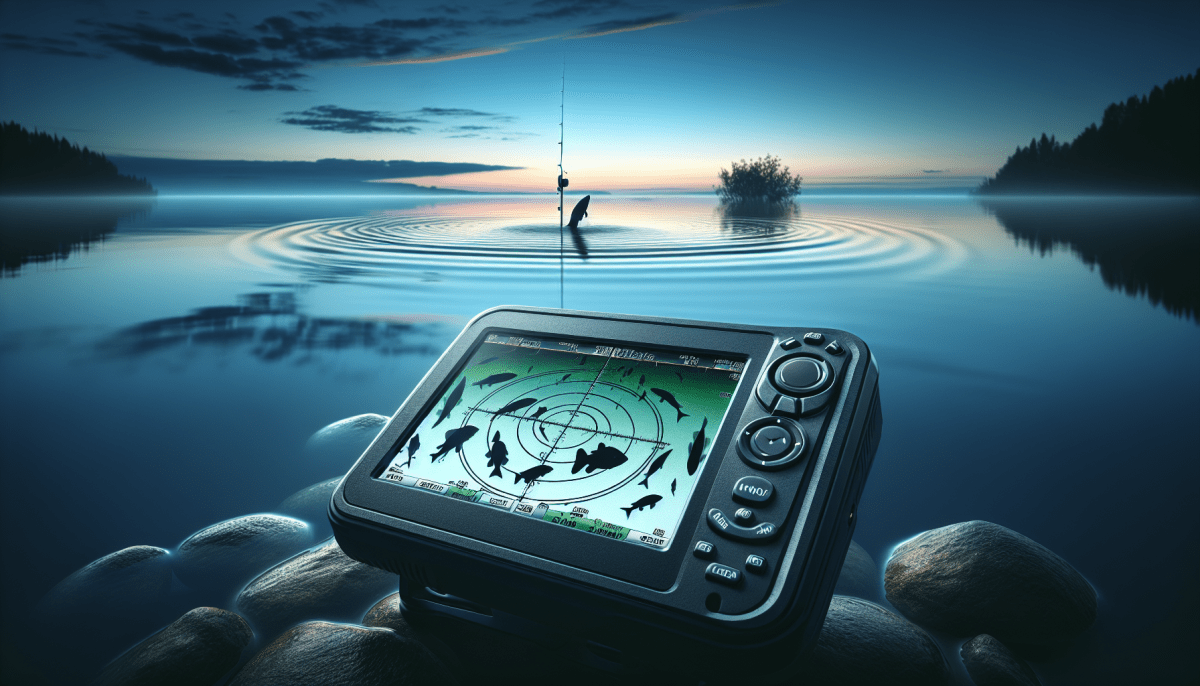
If you want to up your fishing game, a quality fish finder is a must-have. These handy gadgets make it a lot easier to locate fish, saving you time and boosting your chances of a great catch. You don’t have to be a pro to use them; they’re straightforward and user-friendly.
When you’re shopping for a fish finder, look for a few key features. First, consider the display. A bright, clear screen helps you see what’s below the water. A model with a dual-frequency transducer can also give you more detail about structures and fish. But remember, sometimes simpler is better—especially if you're just starting out.
Portability is another thing to think about. If you fish from a kayak or a small boat, you need something lightweight and easy to mount. Many fish finders come with built-in GPS, which is a great bonus for tracking your favorite spots. You’ll enjoy being able to return to the best fishing locations without the fuss.
Don’t forget about battery life. A long-lasting battery can make a big difference, especially if you plan on being out on the water all day. Some models even have rechargeable batteries, which saves you money and hassle in the long run.
In the end, a good fish finder can help you pinpoint your target and spend more time fishing instead of searching. With the right device, you’ll be reeling in your catch in no time!
Top Features to Look For
When you're on the hunt for the best fish finders, keep these top features in mind. They can really help you boost your catch. Here’s what to look for:
With these features, you’ll enhance your fishing experience and increase your chances of landing that big catch. Make sure to do your homework and pick a fish finder that suits your needs. Happy fishing!
How to Choose the Right Finder
Choosing the right fish finder can feel overwhelming, but it doesn't have to be. Start with what type of fishing you do. If you’re mostly inshore or freshwater fishing, a simpler model will do just fine. For those venturing into deep sea fishing, you’ll want a more advanced unit that can handle deeper depths and various water conditions.
Next, consider the display. Look for a high-resolution screen that’s easy to read in bright sunlight. A color display can help you differentiate between fish, structures, and the bottom more clearly. As a bonus, touch screens are super user-friendly, making it easy to navigate through different options and settings.
Don't forget about the sonar technology. CHIRP (Compressed High-Intensity Radiated Pulse) sonar gives you a lot of detail and clarity, so you can easily identify fish and underwater structures. Some finders offer side-scanning and down-imaging capabilities too, which can help you see what's happening around you and below.
Lastly, think about the features that matter most to you. Do you want GPS for marking fishing spots? Or maybe Wi-Fi capabilities to connect to your smartphone? Some finders come with built-in charts or the ability to download new maps. These features can make your fishing experience much smoother and more enjoyable.
Tips for Using Your Fish Finder
So, you’ve got your fish finder ready to go. That’s awesome! But to catch more fish, you need to know how to use it effectively. Here are some handy tips to help you get the most out of your device.
First things first, make sure you’ve set it up correctly. Position the transducer properly for the best readings. If it’s mounted wrong, you won’t get accurate readings, and that means fewer fish. Also, dive into that user manual! It’s full of great insights on features you might not know about.
Adjust the settings based on where you are fishing. Different water conditions change how your fish finder picks up data. Go ahead and tweak the sensitivity, frequency, and depth settings. Experimenting with these can make a big difference in spotting those elusive fish.
Use the mapping features to your advantage. Many fish finders come with GPS and mapping options. Look for structures like drop-offs, submerged trees, or rock piles. Fish love hanging around these spots, so mark them and return later for a bit of fun!
Lastly, don’t forget to get familiar with the screen. It can take some time to understand what the different symbols and readings mean. Spend a little time watching the screen while you’re out fishing, and you’ll soon start to recognize patterns. The more you use it, the better your fishing trips will be!