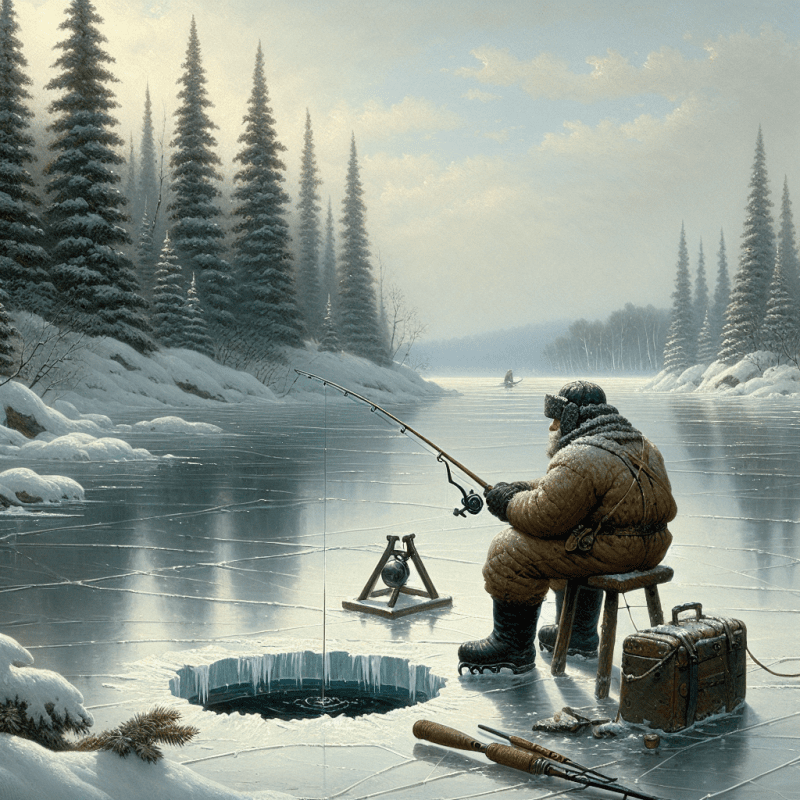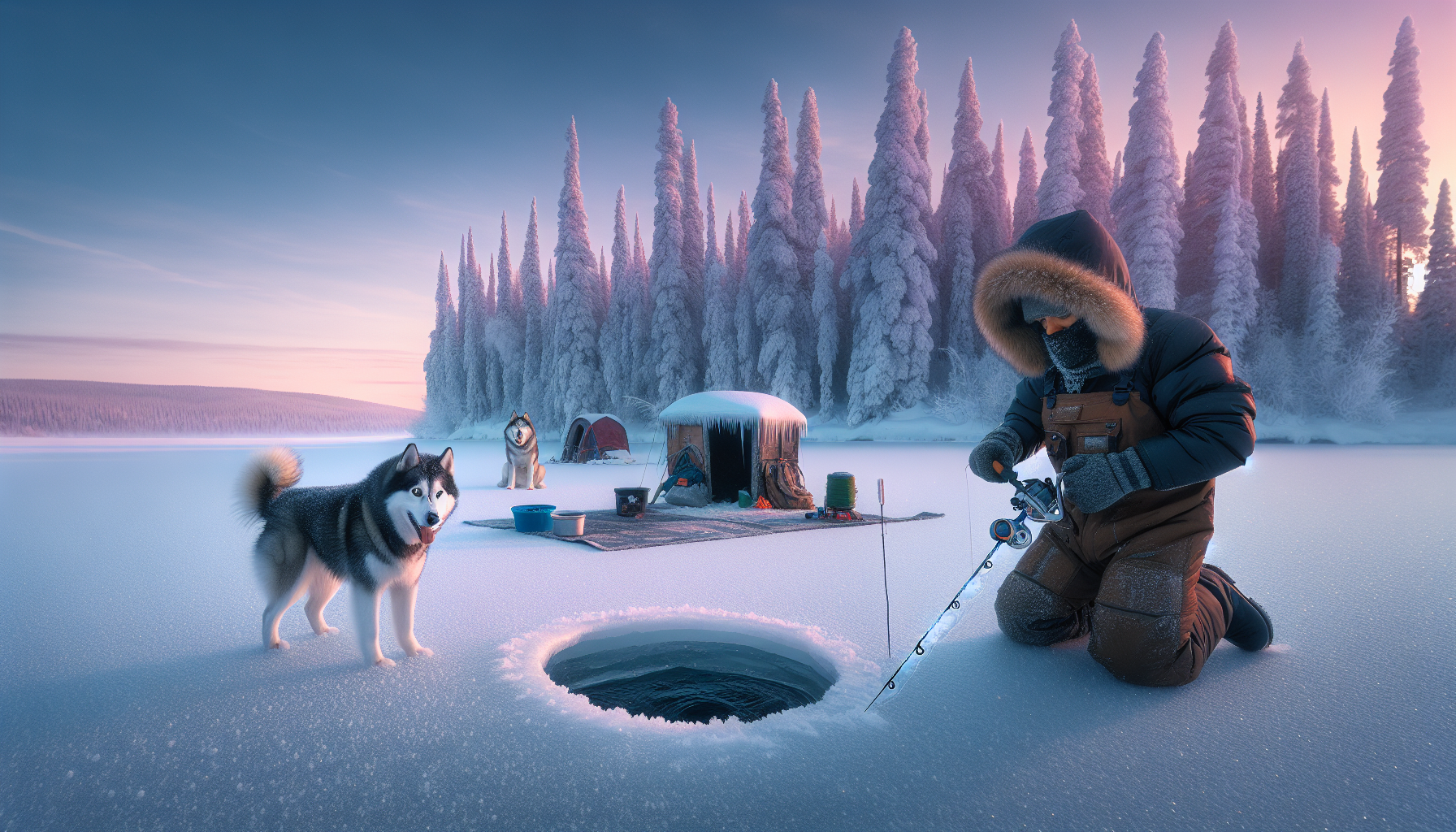
If you’re new to ice fishing, don’t worry! It’s easier than you might think. First things first: safety is key. Always check the ice thickness before stepping on it. At least 4 inches of clear ice is a good rule of thumb for walking, and 5-7 inches for snowmobiles. Bring a buddy along if you can; it's way more fun and safer together.
Next, gather your gear. You’ll need a few basics to get started:
Once you have your gear, pick a good spot. Look for areas where fish like to hang out, such as near underwater structures or drop-offs. If you’re unsure, talk to local anglers or check online forums for advice on hot spots.
Finally, once you're out there, don’t forget to enjoy yourself! Ice fishing is about relaxation and connecting with nature. Chat with fellow anglers, sip on some hot cocoa, and just have a good time. The fish will come!”
Essential Gear for Ice Fishing Success
Ice fishing can be a blast, but you need the right gear to make the most of it. Let's break down the essentials that will set you up for success on the frozen lake.
First up, you can’t go without a good ice auger. Whether you choose a hand auger or a powered one, this tool is key for drilling through thick ice. Make sure the blades are sharp so you can cut through easily. Remember, a clean hole means less hassle.
Next, consider your ice fishing shelter. Staying warm and protected from the wind makes a huge difference. You can go for a pop-up tent or a portable ice house. Just make sure it has enough space for you, your buddies, and your gear.
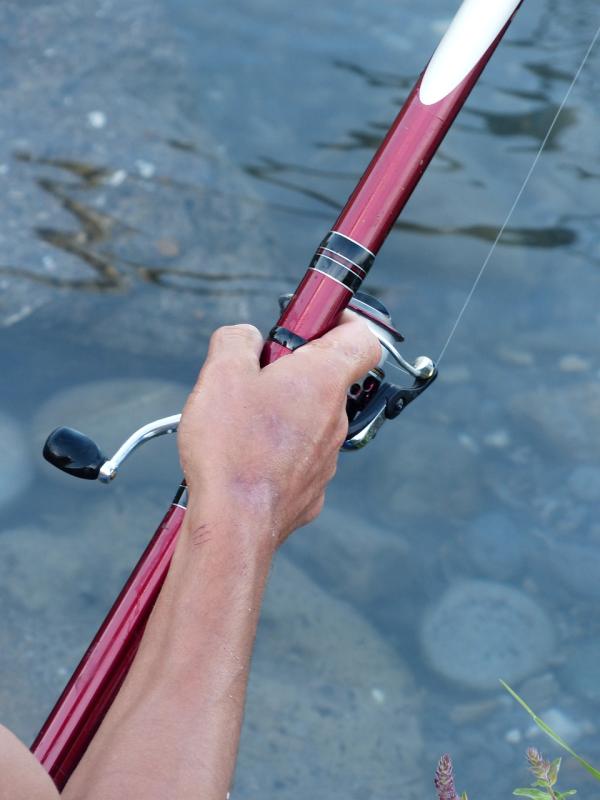
When it comes to your fishing rod, a lightweight rod specifically designed for ice fishing is a must. Look for short lengths and sensitive tips so you can feel those bites. Pair it with a reel that’s smooth and reliable.
Don’t forget about your tackle and bait! Bring a selection of jigs, spoons, and live bait to attract fish. Keep everything organized in tackle boxes so you can grab what you need quickly. Being prepared will help you catch that big one!
Tips for a Great Ice Fishing Experience
Ice fishing can be a blast, but having the right tips in your back pocket can make all the difference. Here’s what you need to know for a successful day out on the ice.
First things first, dress in layers. It’s all about staying warm without overheating. Start with a moisture-wicking base layer to keep sweat away. Add insulating layers like fleece, and top it off with a waterproof outer layer. Don't forget warm socks and insulated boots—you’ll thank yourself later!
Next, make sure you have the right gear. A solid ice fishing rod and reel combo is key. Look for a rod that’s sensitive enough to feel those subtle bites. Don’t forget your tackle box! Stock it with jigs, hooks, and live bait to up your chances of reeling something in.
Don’t overlook the buddy system. Having a fishing buddy isn’t just fun; it’s also safer. You can share tips, keep the fire going, or even take turns drilling holes. Plus, it always helps to have someone to celebrate those big catches with!
Lastly, remember to check the ice conditions before you head out. A thickness of at least 4 inches is usually safe for walking. When in doubt, talk to locals or check online reports. Safety first means you’ll keep enjoying ice fishing for years to come!
Where to Find the Best Ice Fishing Spots
Finding the best ice fishing spots can make all the difference in your experience. There’s nothing like getting a tipsy perch or an unsuspecting walleye to get your adrenaline pumping. Here’s how to track down the hot spots like a pro.
First off, talk to the locals. If you’re fishing in a new area, chatting up some experienced anglers can lead you to some hidden gems. They often know the best locations, recent catches, and even the right bait to use. Don't be shy—everyone loves sharing their passion for fishing!
Next, check out online resources. Websites, community forums, and social media groups focused on ice fishing are goldmines of information. You’ll find recent reports on where the fish are biting and what conditions to expect. Plus, you can often see photos of catches, which is always encouraging!
Lastly, look for access points. Lakes with parking areas and easy access are usually popular fishing spots. State parks and recreational areas often have designated ice fishing locations that are well-stocked. You might also want to check if there are guides or local outfitters who can help you find the best areas. They can save you time and increase your chances of a successful day on the ice.