When you're gearing up for a fishing trip, the right tools can make all the difference. Here’s a quick rundown of the must-have gear to bring along, whether you're hitting a local pond or heading out on a boat.
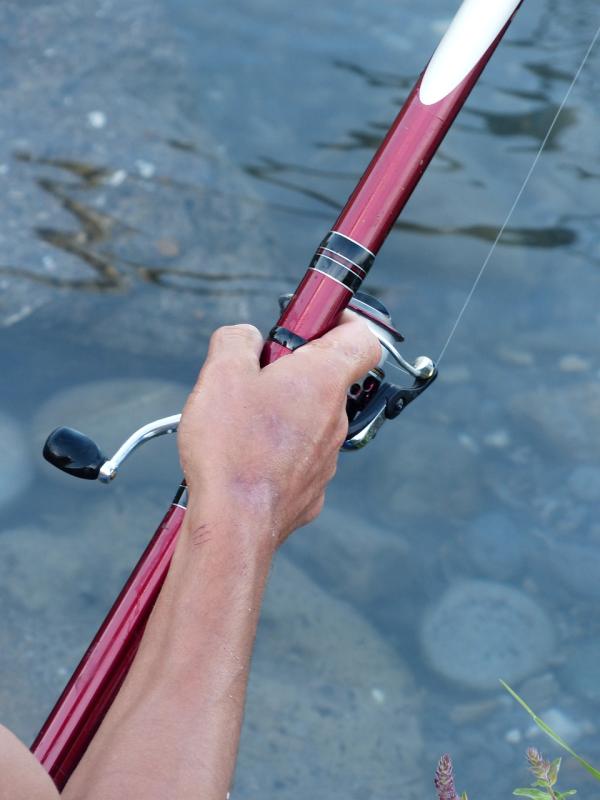
Rods and Reels: A good rod and reel combo can turn a tough day into a successful one. Look for a lightweight, durable rod that feels comfortable in your hands. Pair it with a reel that has a smooth drag system. If you're aiming for bass, a baitcaster setup may be your best bet. For trout and panfish, spinning reels work wonders.
Fishing Tackle: Don’t forget your tackle box! Stock it with a variety of hooks, weights, and lures. Crankbaits, soft plastics, and spoons are all solid choices. Make sure you have the right tackle for the fish in your area. A little research can save you a lot of hassle!
Fishing Line: The type of line you use can impact your catch. Monofilament line is a great all-rounder, especially for beginners. If you want something stronger and thinner, try braided line. Fluorocarbon line is also a popular choice for its invisibility underwater. Pick what suits your style and fishing conditions best.
Accessories: Don't overlook the small stuff! A good pair of polarized sunglasses can help you see fish below the surface, while a reliable tackle bag keeps everything organized. Consider a fish finder if you're venturing further out. These gadgets make locating fish a whole lot easier and more fun.
Essential Tips for Catching More Fish
Ready to boost your fishing skills? Here are some simple tips to help you catch more fish on your next trip.
First off, pay attention to the weather. Fish are often more active when it’s cloudy or overcast. Overcast days can make for some great fishing because they feel less vulnerable. Also, consider the time of day. Early morning and late afternoon are typically the best times to head out. Fish are more likely to feed during dawn and dusk.
Next, think about your bait. Live bait, like worms or minnows, can be hard to beat. That said, make sure you’re using the right bait for the type of fish you’re aiming to catch. If you're targeting bass, try using soft plastics or jigs. For trout, small spinners or flies will do the trick. It’s all about matching the hatch.
Don’t forget about your fishing gear! Make sure your line is in good condition and your hooks are sharp. There's nothing more frustrating than losing a big fish because of dull hooks. Also, be ready to adapt. If you’re not getting bites, try changing your location or switching up your retrieval speed.
Finally, practice patience. Sometimes it takes a while to find the perfect spot or get the right bite. Enjoy the experience, take in the scenery, and keep trying different techniques. The fish will come, and you’ll have a great time in the process!
Understanding Fishing Techniques That Work
When it comes to fishing, knowing the right techniques can really boost your chances of landing that big catch. Each method has its perks, and picking the right one can depend on where you’re fishing and what you’re hoping to catch. Let’s dive into a few popular techniques that anglers swear by!
1. Spin Fishing
This is one of the most versatile methods out there. Using a spinning rod and reel, you can cast lightweight lures or baits easily. It’s great for beginners because it’s simple to learn and works well in both freshwater and saltwater. You can target all sorts of fish from bass to trout, making it a go-to for many fishing trips.
2. Fly Fishing
If you’re after a challenge, fly fishing might be your jam. It requires a bit more skill but offers a rewarding experience. The key is using artificial flies that mimic real insects. Perfect for those peaceful days on the river, you might catch everything from trout to salmon when using this technique. Just remember, practice makes perfect!
3. Bait Fishing
This classic method involves using live or cut bait to attract fish. It’s straightforward and effective, especially for species like catfish and carp. All you need is a good hook, some bait, and patience. Don’t forget to check your local regulations on bait types – it can vary by location!
No matter what technique you choose, spend some time researching your local waters. Different fish species have different habits, so understanding where and when to fish can really set you up for success. Happy fishing!
Best Locations to Reel in Your Catch
If you’re itching to reel in some impressive catches, it's all about knowing the right spots. Fishing isn’t just about the gear; location plays a huge role in your success. Whether you're after freshwater species or salty sea dwellers, here are some prime locations to consider.
For freshwater fishing, lakes and rivers are unbeatable. They often house bass, trout, and catfish just waiting for your bait. Look for spots with structures like rocks, fallen trees, or lush vegetation. Fish love hiding there, so bring your gear and find a comfy place to settle in.
Don’t overlook reservoirs, either. These man-made lakes usually have a steady fish population and offer plenty of room to explore. Keep an eye on the weather, as some days are better than others for catching. Early mornings or cloudy days often mean increased activity.
If you’re into saltwater fishing, hit up coastal shores or piers. These areas attract all sorts of marine life, from snapper to mackerel. Shore fishing is a blast, and you don’t need a boat to get in on the action. Just find a spot where the water breaks against the shore, and you’re good to go.
Lastly, consider fishing in the surf. Catching fish while standing knee-deep in the waves can be thrilling. Just make sure to check local regulations and safety tips for surf fishing. You’ll be amazed at what you can hook when you cast right from the beach!